
Cocktail culture has entered a new era. What was once defined by strict recipes and time-honored techniques has evolved into a dynamic craft driven by creativity, precision, and storytelling. Modern mixology is no longer about abandoning the classics—it’s about reinterpreting them with intention, better ingredients, and deeper technical knowledge.
Today’s bartenders are equal parts historian, chemist, and artist, reshaping how classic cocktails are built, presented, and experienced.
From Tradition to Transformation
Classic cocktails like the Old Fashioned, Negroni, and Martini were once governed by rigid formulas. These drinks earned their status because of balance and simplicity, and those fundamentals still matter. What’s changed is how bartenders approach them.
Using historical cocktail standards as a starting point helps bartenders maintain proper structure while evolving classic drinks.
From there, innovation begins.
The Rise of Technique-Driven Bartending
One of the biggest shifts in the evolution of cocktails is the emphasis on technique. Temperature control, dilution, texture, and aroma are now treated as essential components rather than afterthoughts.
Modern bartenders employ methods like clarification, fat-washing, controlled carbonation, and precise ice management to refine drinks without altering their core identity. Understanding how these techniques impact the final cocktail has become central to modern bartending techniques.
Understanding modern bartending techniques highlights the growing emphasis on precision and controlled execution.
Better Ingredients, Better Cocktails
Another defining characteristic of modern mixology is ingredient quality. Fresh juice, house-made syrups, small-batch bitters, and premium spirits have replaced shortcuts and mass-produced mixers.
This shift allows bartenders to reimagine classic cocktails without masking flaws. Instead of adding complexity for its own sake, modern interpretations focus on clarity and intention—enhancing what already works.
Ingredient-focused cocktail programs have become a key force behind the growth of the craft cocktail scene.
Reimagining, Not Replacing, the Classics
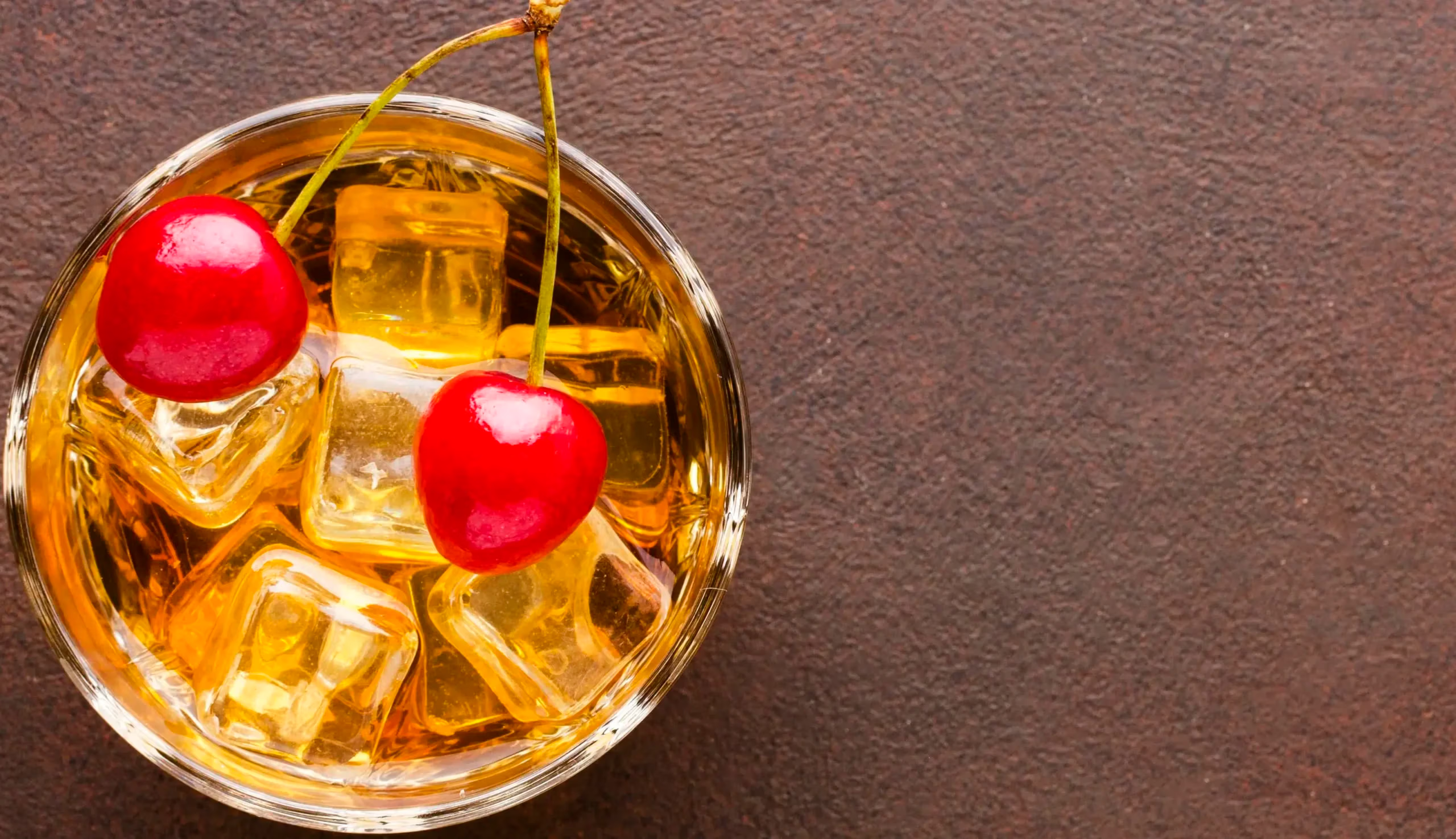
Modern bartenders aren’t discarding tradition—they’re building on it. A Negroni might feature a split base of vermouths. A Martini could be served at a lower ABV with adjusted aromatics. An Old Fashioned may highlight regional spirits or alternative sweeteners.
What defines success isn’t novelty, but restraint. The best modern cocktails still taste familiar, even when the execution is entirely new.
Looking at how classic cocktails have evolved over time helps explain how they maintain their identity while adapting to modern tastes.
The Bartender as Storyteller
Today’s cocktail menus often read like narratives. Drinks reference history, geography, seasonality, and personal inspiration. This storytelling aspect is a key part of modern mixology, transforming cocktails from simple beverages into experiences.
Guests don’t just order a drink—they engage with its concept. This shift has redefined expectations and elevated the role of the bartender within hospitality culture.
Examining contemporary bar programs offers insight into how modern mixology is shaping today’s cocktail culture.
Why This Evolution Matters
The evolution of mixology reflects a larger change in how people drink and dine. Guests are more curious, more informed, and more interested in craftsmanship than ever before.
By redefining classics instead of replacing them, modern bartenders honor the past while pushing the industry forward. This balance of respect and innovation is what keeps cocktail culture relevant—and exciting.
Final Thoughts
Modern mixology isn’t about trends or theatrics. It’s about understanding why classic cocktails work and using today’s tools, ingredients, and techniques to make them even better.
As bartenders continue to refine their craft, the classics remain at the center—reshaped, rebalanced, and reintroduced for a new generation of drinkers.